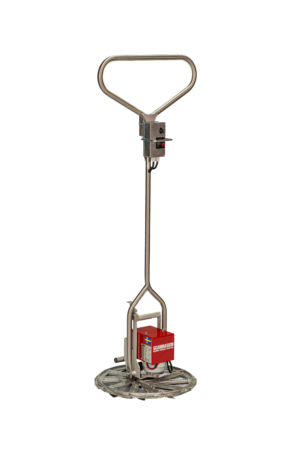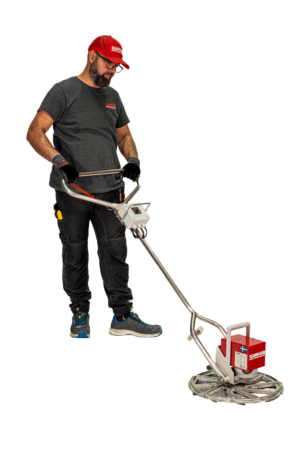
Power trowel – blades
Blade Options
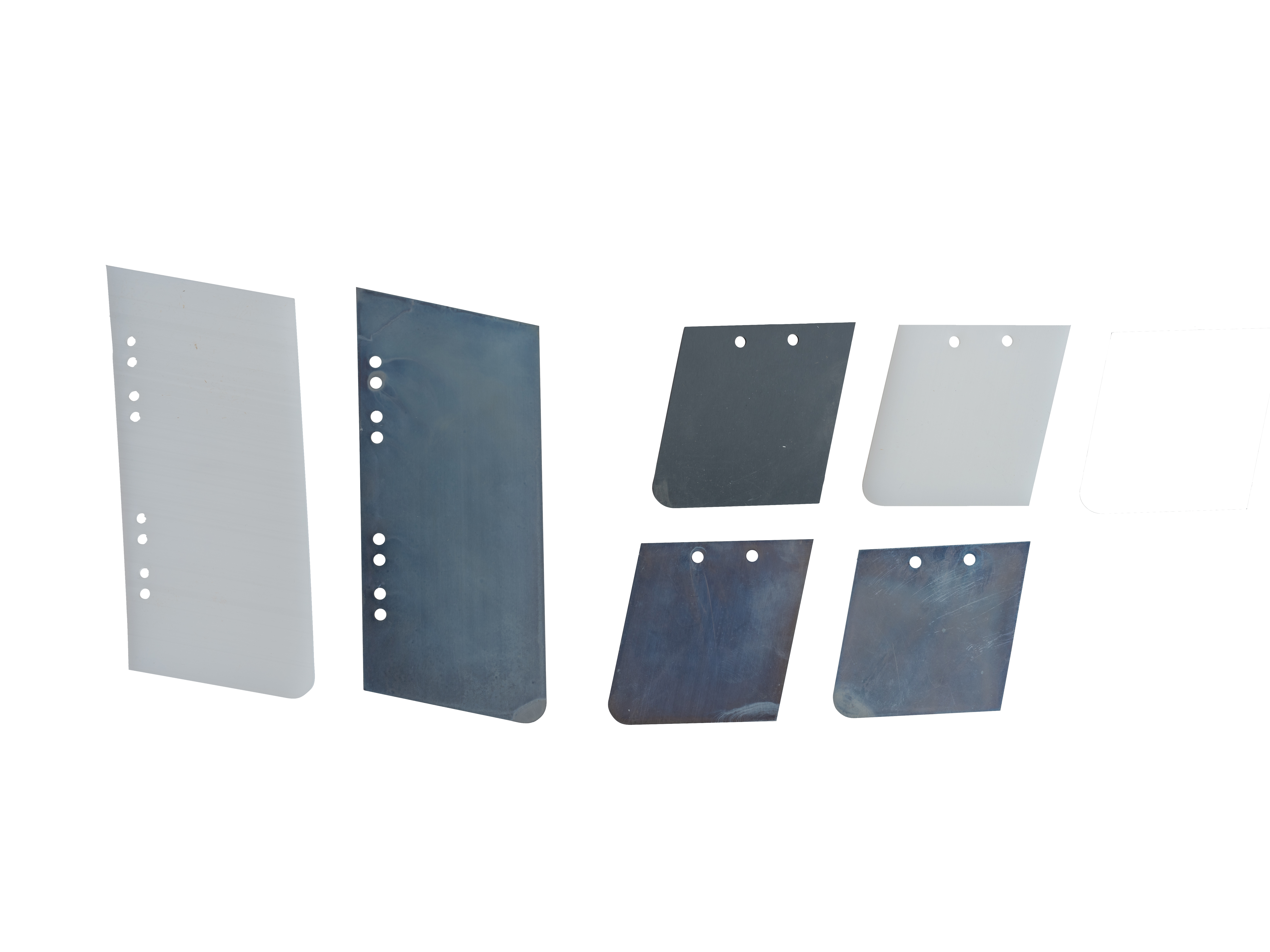
Tyrolit offers different blades for various applications for both electric and battery-powered power trowels.
Grey plastic
Designed for floors where you scatter the sand into the slurry and then trowel to a smooth surface. Quiet and gives the best looking surface.
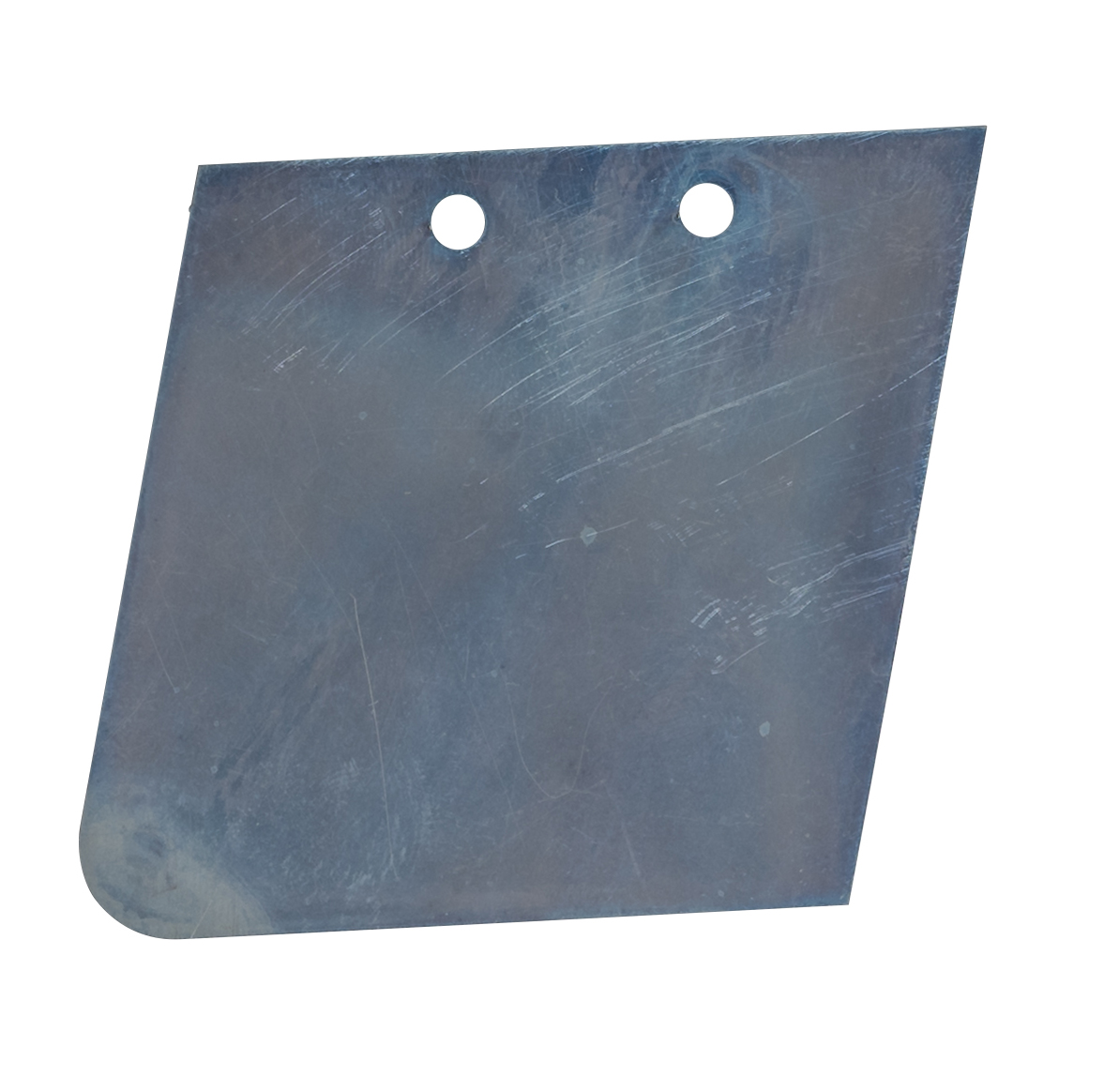
Compact blades (made of steel)
Designed for floors where you scatter the sand into the slurry and then trowel to a smooth surface. Steel blades are faster than plastic, but they produce more noise and may cause light “trowel-roses” on the finished surface.
White flex blades
Designed for systems where sand and epoxy are mixed into a mortar and applied to the floor using a screed box. Also works very well for scatter-system when a compact steel blade is used behind each white flex blade.
Standard blades
Designed for systems where sand and epoxy are mixed into a mortar and applied to the floor using a screed box.
Stone carpet blades
Designed for “stone carpet” systems, using aggregates in sizes 1–3 mm, 3–4 mm, and 4–6 mm. Also works very well for troweling epoxy terrazzo floors.
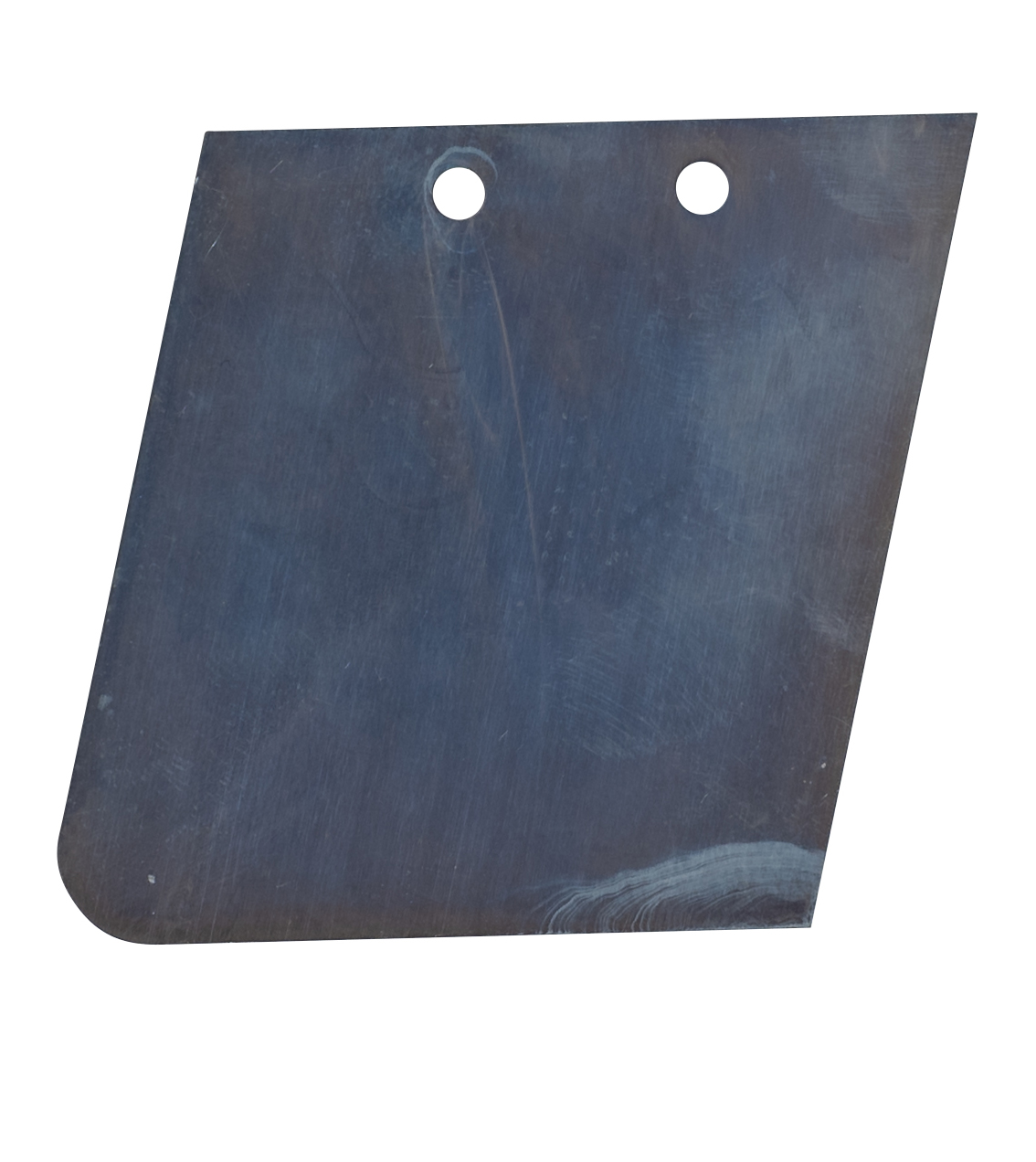
Product description
Blade Options
Tyrolit offers different blades for various applications for both electric and battery-powered power trowels.
Grey plastic
Designed for floors where you scatter the sand into the slurry and then trowel to a smooth surface. Quiet and gives the best looking surface.
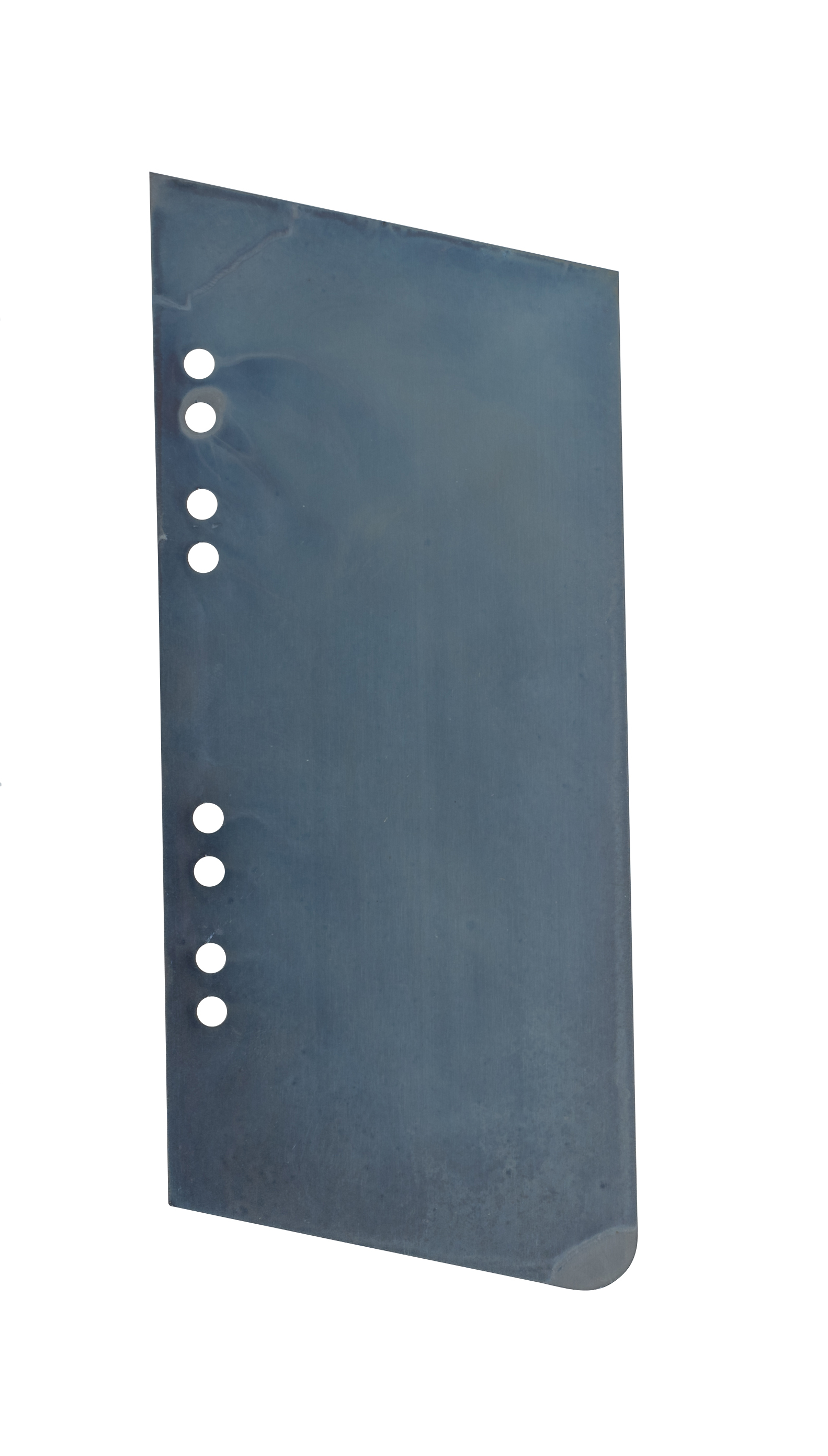
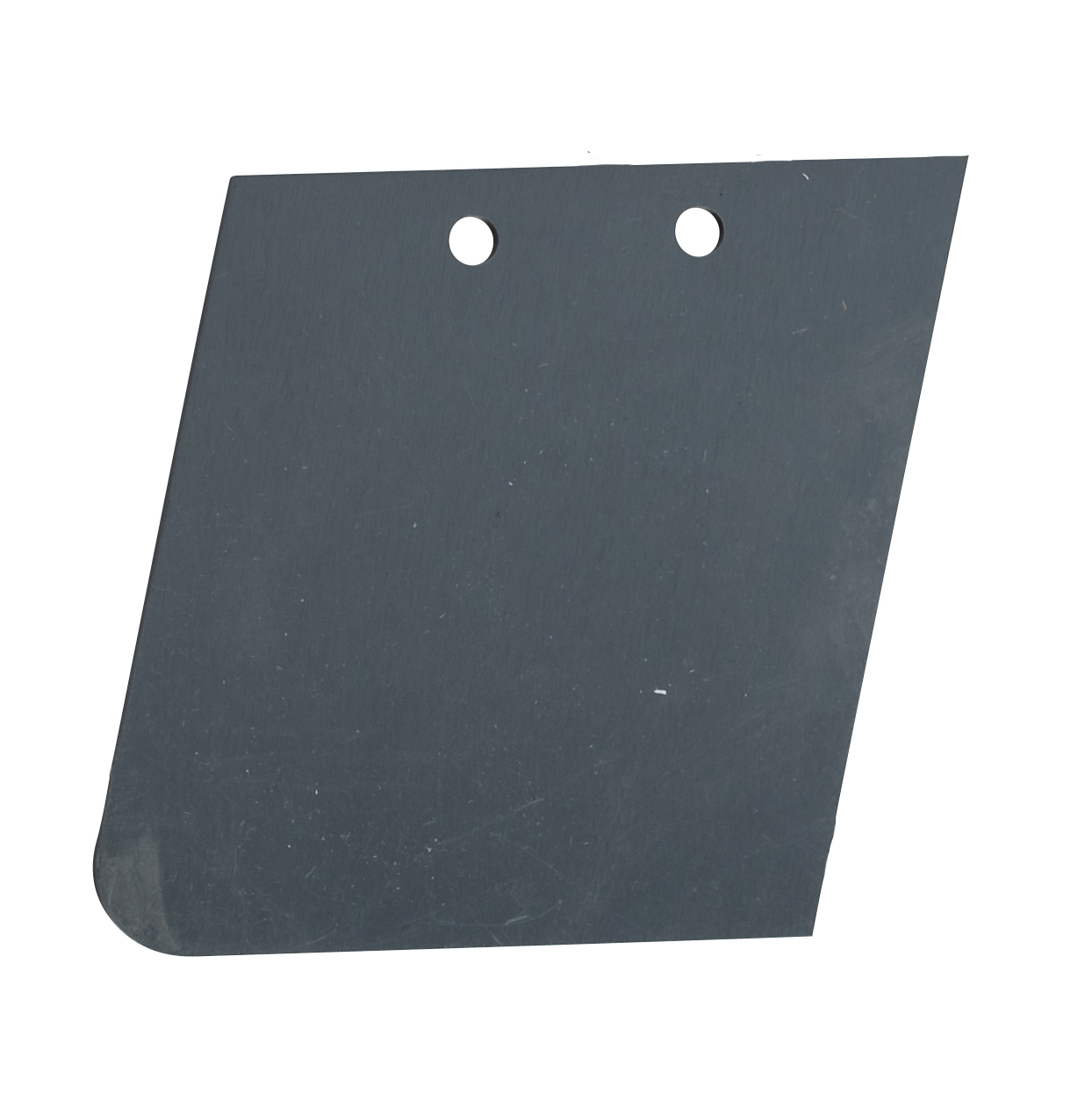
Compact blades (made of steel)
Designed for floors where you scatter the sand into the slurry and then trowel to a smooth surface. Steel blades are faster than plastic, but they produce more noise and may cause light “trowel-roses” on the finished surface.
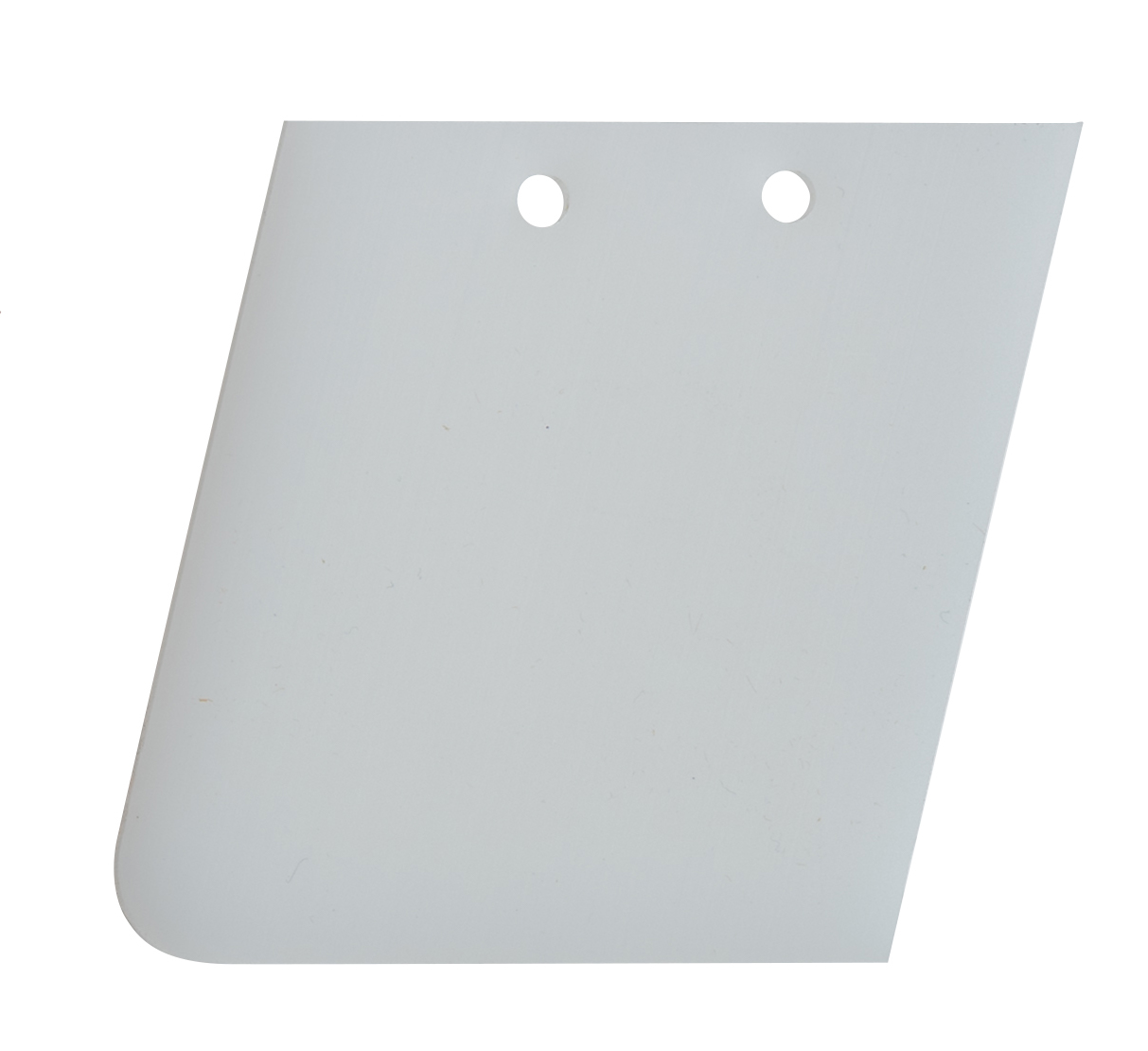
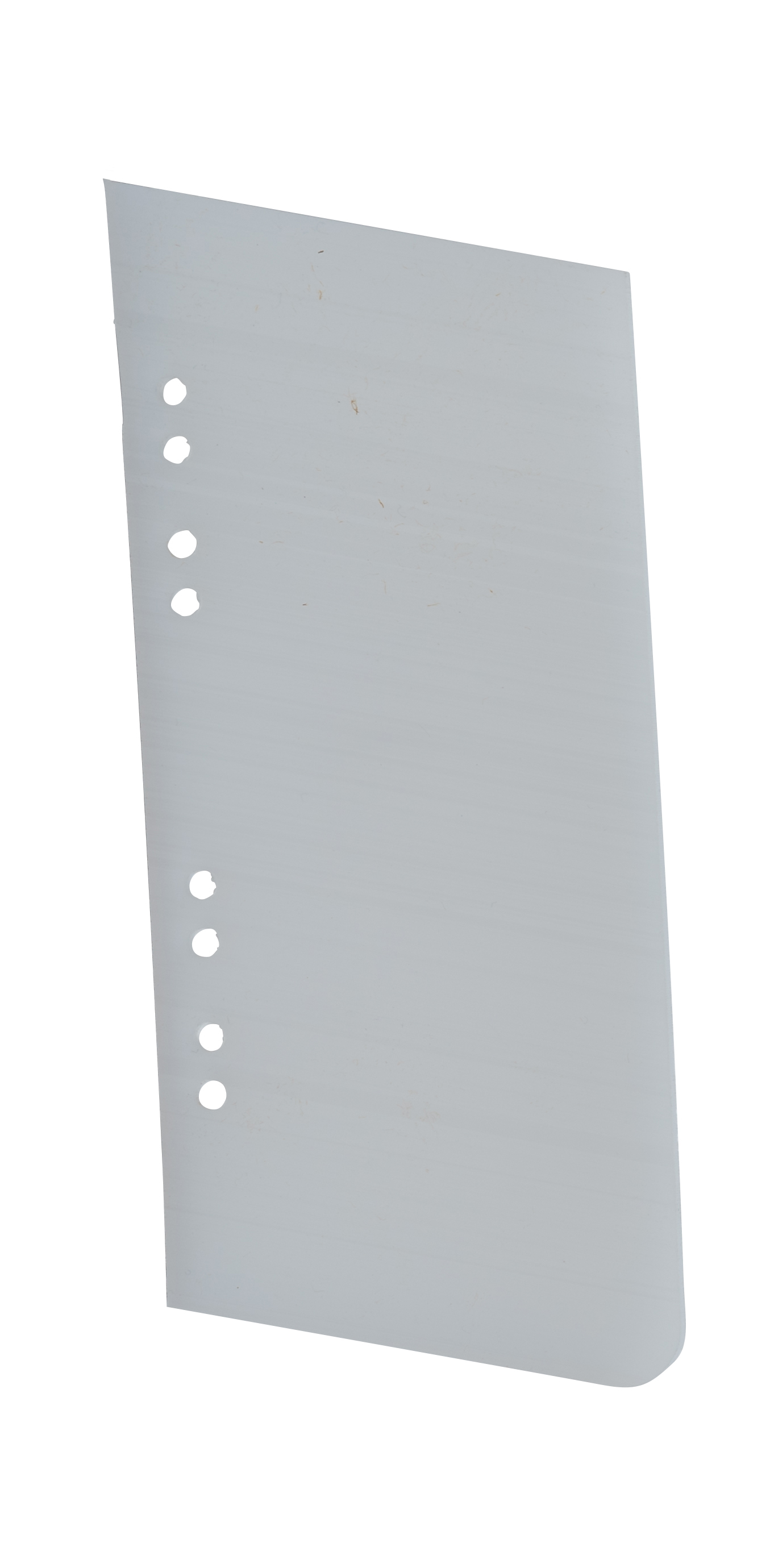
White flex blades
Designed for systems where sand and epoxy are mixed into a mortar and applied to the floor using a screed box. Also works very well for scatter-system when a compact steel blade is used behind each white flex blade.
Standard blades
Designed for systems where sand and epoxy are mixed into a mortar and applied to the floor using a screed box.
Stone carpet blades
Designed for “stone carpet” systems, using aggregates in sizes 1–3 mm, 3–4 mm, and 4–6 mm. Also works very well for troweling epoxy terrazzo floors.